
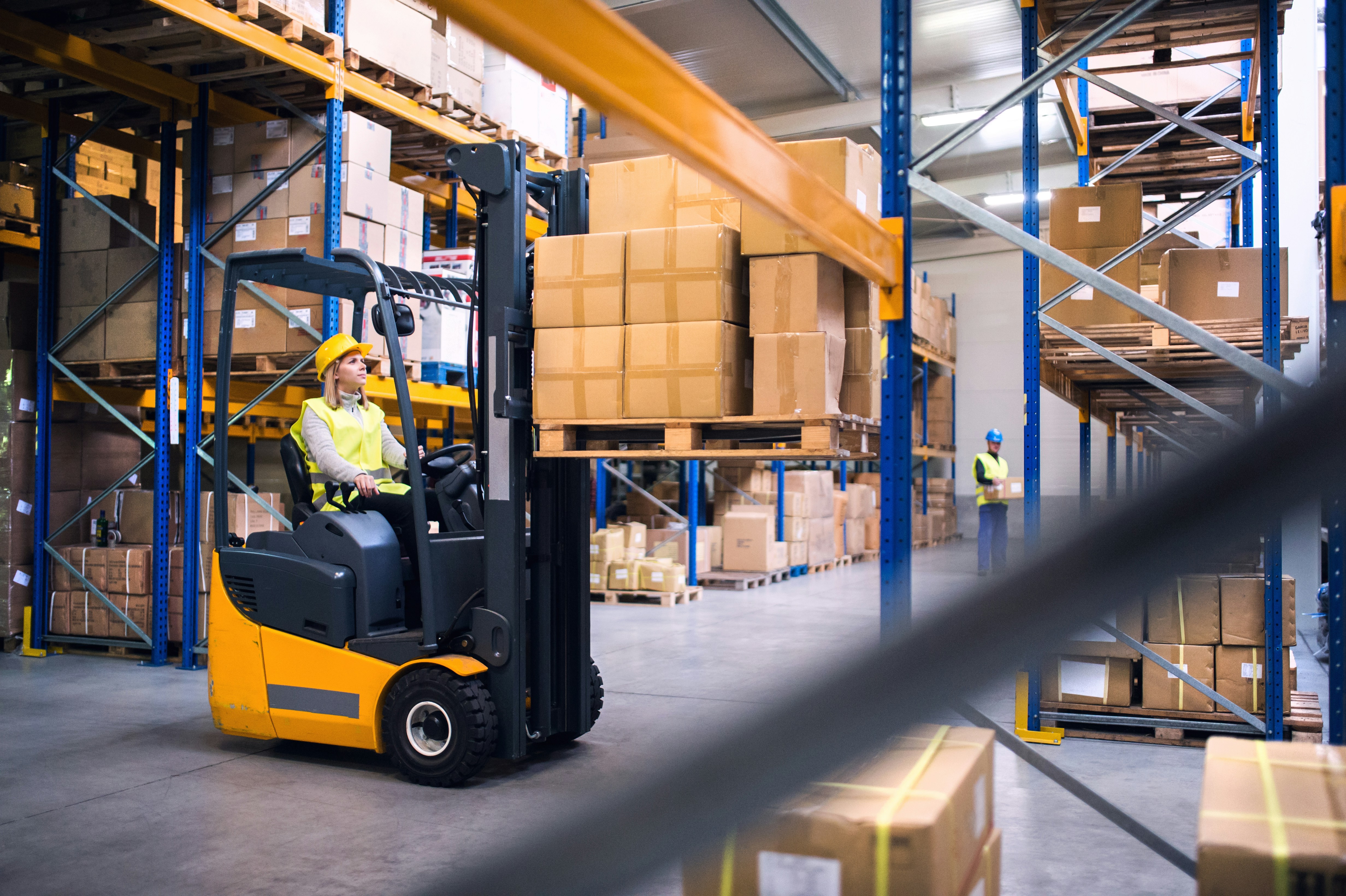
Caring for a warehouse racking system is one of the most essential parts of running an efficient warehouse. Regular maintenance improves safety, helps you avoid costly repairs, and protects your inventory. For many facilities, the racking structure is the backbone of daily work. When it is cared for correctly, you reduce risk for workers and create a more dependable operation. At Option 3, we guide clients through every stage of planning, installation, and long-term upkeep. Today, we are sharing maintenance practices that help you get the most out of your storage systems.
You do not need to be an engineer to keep a pallet racking system in excellent condition. What you need is a consistent routine and an understanding of what to look for during inspections. This blog will walk you through the steps that matter most. Everything in this article is based on standard practices used in the material handling industry. Some examples are hypothetical but reflect realistic situations you may encounter.
Why maintenance matters
An intense maintenance routine supports both safety and productivity. When a pallet racking structure is weakened by damage or overlooked repairs, the entire system becomes less reliable. Even minor issues can grow over time. A loose anchor plate, a bent upright, or a missing beam clip may start as a simple fix, but if it goes unnoticed, it can lead to serious problems later.
Good maintenance also protects your inventory. Many warehouse workers have seen what happens when a forklift accidentally strikes a base plate or upright. If the impact is small, the damage may not look serious at first glance. But minor effects can alter the structure's load-bearing behavior. When you catch issues early, you prevent failures that could harm employees or result in significant financial losses.
Routine care also extends the life of your storage investment. A well-maintained warehouse racking system can serve your facility for many years. When repairs are made promptly, the structure does not suffer unnecessary stress. This reduces the likelihood that you will need large-scale replacements in the near future.
How often should you inspect your racks?
Most warehouses benefit from three levels of inspection. These are not industry requirements, but they reflect standard practices that help warehouses stay safe.
The first level is a simple daily walk-through. A supervisor or team lead can look for anything out of place during normal operations. You do not need to check every beam in detail for this daily review. Instead, you look for obvious concerns such as misplaced pallets, leaning loads, or equipment that has struck a rack frame.
The second level is a scheduled monthly inspection. This is where you look more closely at the structure. You may use a checklist to ensure you review every area of your pallet racking system. Many facilities keep a log of each inspection to track recurring issues. This log helps identify patterns such as repeated forklift impacts in the same aisle.
The third level is a professional inspection. At Option 3, we often perform inspections for clients who want to verify the health of their systems or prepare for future expansions. A professional review is constructive if your warehouse layout changes or if you add new equipment that affects load patterns.
What to look for during inspections
A detailed inspection focuses on a few main areas. The first is the condition of uprights and frames. You should look for bends, twists, or visible distortion. If you see damage that alters the frame's shape, it may indicate that the upright can no longer support the intended load. Even a slight bend can reduce structural strength.
Next, examine the beams. Make sure each beam is seated correctly in the upright. Beam connectors should be fully engaged. Beam locks or safety clips should be present on every connection. Missing clips are a common issue in the material handling world and can lead to beam displacement if left unresolved.
Review the base plates and anchors. Anchors must be tight and firmly attached to the floor. If an anchor is loose or missing, the rack may shift during everyday use. Shifting racks can cause uneven loads and create unsafe conditions.
Look for signs of overloading. If pallets appear to sag beams or if the rack seems to lean forward, the system may be holding more weight than intended. It is always better to double-check weight limits than to assume everything is safe.
You should also look at pallet placement. A pallet racking structure performs best when pallets sit squarely on beams with even distribution. Pallets that rest unevenly or push against upright frames can place unwanted stress on the system.
Finally, check for corrosion or rust. Warehouses with moisture or temperature changes may see corrosion over time. Corrosion can eat away at steel components, weakening the structure. If you see early signs of rust, address it promptly to prevent further deterioration.
Common causes of rack damage
One of the most common causes of rack damage is forklift impact. Even skilled drivers sometimes hit uprights or beams when navigating tight aisles. Minor impacts add up over time and can weaken the structure in ways that are not visible without a close inspection.
Another cause is improper pallet loading. If pallets are placed with too much force or set down unevenly, they can damage the beams or connector points. Workers should be trained to place pallets gently and squarely to avoid unnecessary strain.
Changes in warehouse layout can also create problems. If you move or reconfigure racks without proper planning, the load paths may change. A warehouse racking system is designed based on specific patterns of weight distribution. When those patterns shift, the structure may need reinforcement.
In some cases, the issue begins with the pallet itself. Broken or weak pallets can fail inside the rack. When a pallet collapses, it can cause a chain reaction. This risk can be reduced by checking pallets before use.
How to care for your racking long-term
Long-term care includes more than inspections. Training is one of the most important parts of preserving your structure. Workers should understand how to operate equipment safely near storage racks. They should also know how to recognize early signs of damage.
Clear signage is another helpful tool. Labeling each bay with weight limits keeps everyone informed. When these limits are visible, employees are less likely to overload the system.
Adding protective barriers can also extend the life of your pallet racking system. Rack guards, end-of-aisle protectors, and column shields help absorb forklift impacts. These tools reduce the chance that your uprights will bend during routine work.
Documentation is helpful as well. Keep a record of maintenance activities, repairs, and layout changes. This record helps you understand how your system has evolved and when additional support may be needed.
Planning for the future
As your warehouse grows, your storage needs may change. New product types, seasonal inventory, and shifts in order volume can all affect your racking layout. At Option 3, we often help clients assess whether their current systems can support future growth. Sometimes a minor upgrade is all that is needed. In other cases, a redesign or expansion helps the warehouse operate more efficiently.
For example, if your business begins to carry faster-moving items, you may benefit from tighter aisle spacing or selective rack adjustments. If you add larger pallet sizes, you may need to modify beam spacing. These changes are regular in the world of material handling, and planning helps you avoid unnecessary downtime.
A steady path toward safer work
Caring for a warehouse racking system may not be the most visible part of warehouse operations, but it is one of the most important. When you make inspections part of your routine, you build a safer and more predictable workplace. At Option 3, dependable infrastructure creates room for your business to grow. When your racking is strong, your team can focus on what they do best.
If you want help reviewing your system or planning for upgrades, we are here to support you.

